Distributed commerce is heading towards decentralization. Businesses require quicker international payments. Old rails bring in steps, delays and charges. A Web3 payment gateway links wallets, merchants, and networks in one flow. Settlement happens on-chain with clear records and lower cost. Results include speed, control, and programmability.
What Is a Web3 Payment Gateway?
A Web3 payment gateway accepts digital assets such as Bitcoin, Ethereum, and stablecoins. Smart contracts connect the gateway to blockchains. Bank reliance drops. The gateway manages wallet connection, verification, and settlement without middlemen. Integration aligns with dApps and contract systems from a Web3 development company.
Two models are common.
Custodial. Funds rest in the gateway before settlement.
Non-custodial. Funds move to a merchant wallet at once. Access speeds up and custody risk falls.
How a Cryptocurrency Payment Gateway Works
A customer starts payment. The gateway creates a smart-contract address for the transaction. Confirmations arrive on-chain. The gateway verifies payment and releases funds to the merchant wallet.
Core parts:
APIs for onboarding and system links
Price oracles for live rates and stable pricing
Settlement engines that tune speed and gas fees
On-chain checks raise transparency and security. Teams adding decentralized apps can use blockchain development services.
Traditional vs. Web3 Payment Gateway
Feature | Traditional Gateway | Web3 Payment Gateway |
Settlement speed | 1–3 days | Instant to minutes |
Transaction fees | 2–4% per payment | Gas Fee cost |
Transparency | Limited | Full on-chain record |
Custody risk | High | Low with non-custodial |
Global access | Bank-restricted | Borderless and 24/7 |
A crypto payment gateway adds flexible logic. Smart contracts define tokens, settlement rules, and reporting. See more in blockchain development.
Key Benefits for Businesses
Faster settlement. Minutes instead of days.
Lower fees. Fewer intermediaries reduce cost.
Transparency. Each payment is traceable on-chain.
Global reach. Digital assets support any region.
Security. Non-custodial design limits custody risk.
Live stacks show the model in action. The TokenMinds BEP-20 setup for Halla Gaming blends fiat on-ramps and KYC with crypto flows. The result is a hybrid and compliant system.
Many enterprises link gateways to tokenized products. A practical guide appears in how to create a crypto payment gateway. That resource fits builders and technical leads.
Adoption Strategy for Business Firms
A staged rollout protects compliance and performance.
Select a gateway. Match target markets and standards.
Add wallet support. MetaMask and Trust Wallet improve access.
Set settlement logic. Define tokens, conversion, and reports.
Implement security. Run audits, use multi-sig, apply cold storage from TokenMinds stablecoin patterns.
Monitor results. Track volume, conversion, and churn with analytics.
For deeper wallet work, review the cryptocurrency wallet development guide.
Regulatory and Compliance Considerations
Rules differ by region. Gateways must meet KYC and AML standards. On-chain compliance helps. Role-based access, blacklist tools, and freeze functions lower risk. These features mirror TokenMinds stablecoin compliance systems.
A skilled Web3 development company reduces design and regulatory complexity.
Technical Architecture
A strong stack often includes:
Frontend. React with Web3.js for wallet handling
Backend. Node or NestJS APIs for transaction logic
Blockchain layer. Solidity or Rust on Ethereum, BNB Chain, or Polygon
Security. Chainlink VRF for randomness, Hardhat audits, multi-sig control
Hosting. AWS with SSL and MFA
TokenMinds projects in DeFi lottery and token sales use this layered plan. Results include scale, clarity, and operational control.
Real-World Market Insights
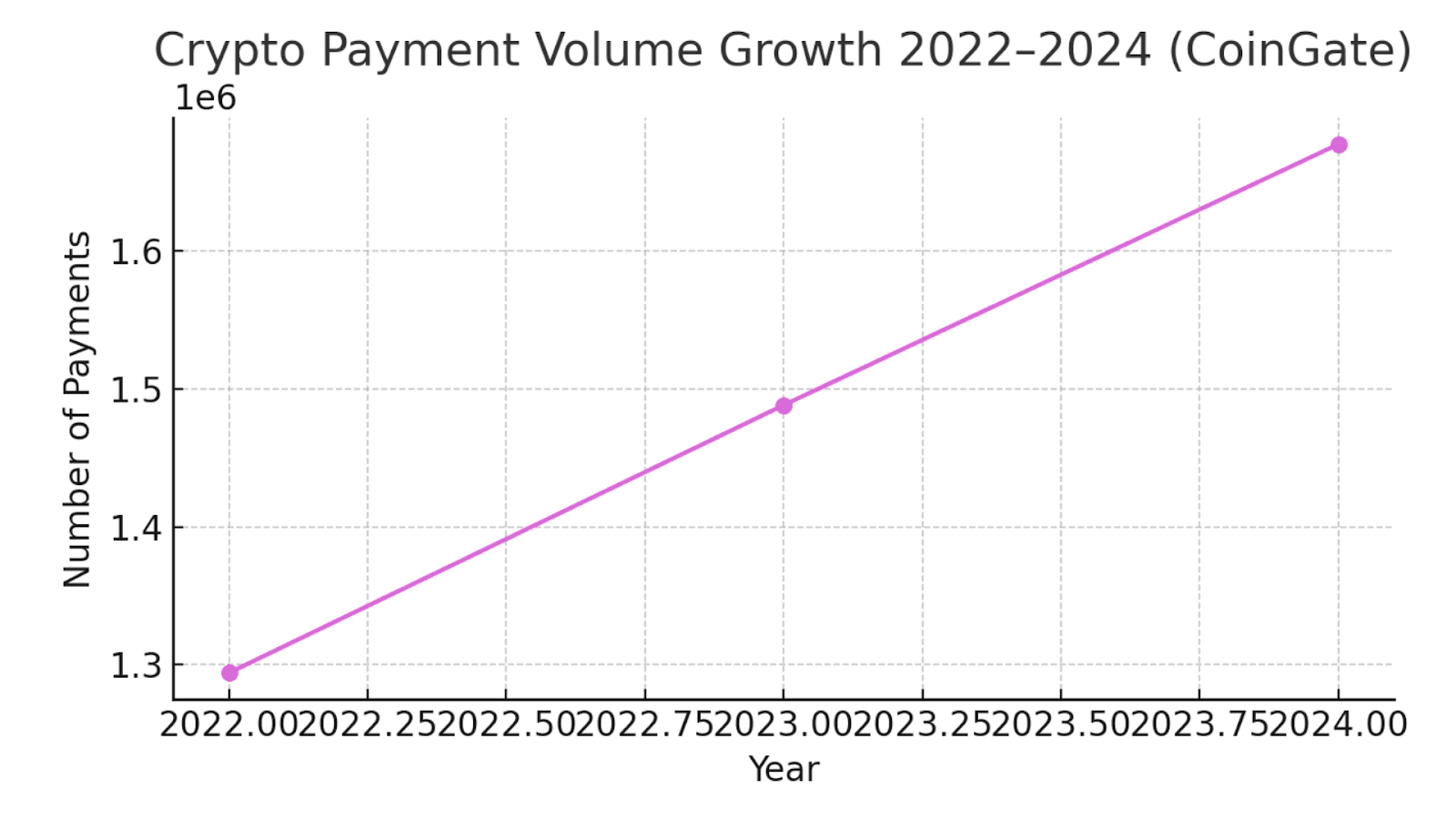
Crypto Payment Volume Growth 2022–2024
In 2024, CoinGate processed 1.67 million crypto payments. Growth reached 29.6% over 2023. Stablecoins held a 35.5% share. Source. CoinGate Crypto Payments Report 2024. Source: CoinGate Crypto Payments Report 2024
Crypto Payment Apps Market Size
Market size reached USD 556.9 million in 2024. Projections show steady growth to 2030. Source: Grand View Research Cryptocurrency Payment Apps Report 2024
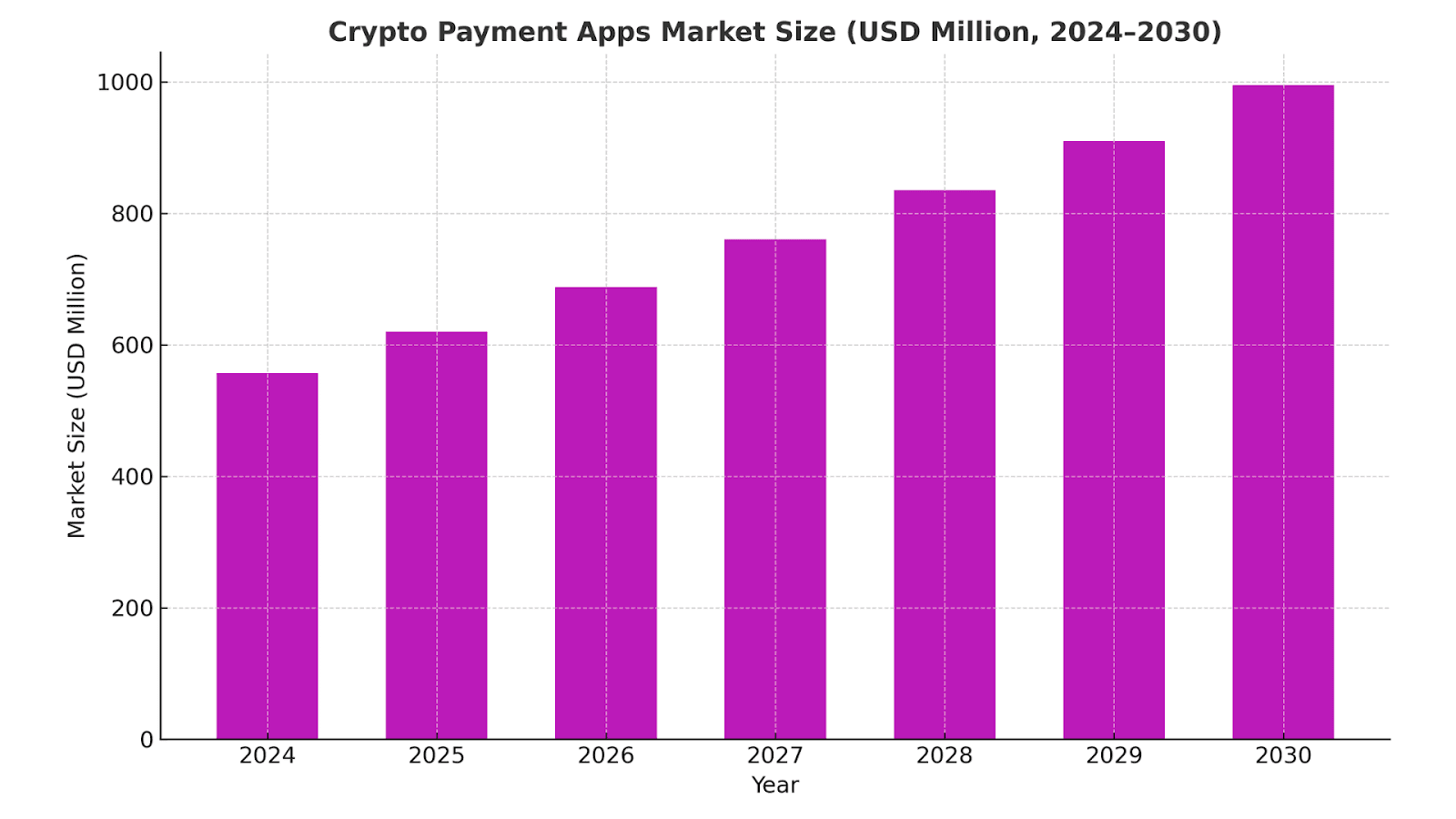
These data points show rising adoption. More enterprises now connect Web3 gateways for on-chain settlement.
TokenMinds projects report a 42% lift in user trust and a 35% rise in retention with transparent, on-chain flows. Similar results are possible with a well-built gateway.
Industry Use Cases
E-commerce and retail. Accept digital assets for cross-border reach.
NFT and gaming. Enable fast in-game and marketplace payments.
B2B SaaS. Use stablecoins for recurring subscriptions.
Specialized sectors. Cannabis and digital art benefit from audit trails.
DeFi features such as vesting, staking, and multi-admin dashboards extend gateway value. These patterns appear across TokenMinds case work.
Sector plans and examples appear in the blockchain development guide and insights from a Web3 marketing agency.
Future of Web3 Payments
The next stage is determined by AI and Layer 2 networks.
Real time fraud is identified by AI.
Layer 2 scaling cuts gas fees and unlocks micro-payments.
CBDC and stablecoin bridges connect public and private rails for unified settlement.
This combination forms programmable finance. AI and blockchain collaborate to save on cost and enhance decisions. Establishing Trust by Learning.
Building Trust Through Education
Education drives adoption. A Web3 marketing agency helps publish clear guides and case studies. Steady sharing of wallet content and technical notes grows authority.
Live systems give data on performance which boosts confidence. TokenMinds has kept producing advice on the cryptocurrency wallet development and blockchain enterprises.
FAQs
1. What is a Web3 payment gateway
A gateway that accepts crypto over blockchain networks. Intermediaries drop away. Settlement speeds up.
2. How do enterprises integrate a cryptocurrency payment gateway
Integration uses APIs, wallet support, and compliance-ready frameworks. Steps appear in the how-to guide.
3. Are Web3 payment gateways secure
Non-custodial designs and audited contracts raise security. A trusted Web3 development company brings proven patterns.
4. Why accept crypto payments
Digital assets can lower cost, extend reach, and improve clarity.
Conclusion
A Web3 payment gateway is more than a technical upgrade — it’s the foundation of decentralized digital commerce. It unites speed, transparency, and control, giving executives a roadmap for sustainable growth in the blockchain era.
By integrating TokenMinds proven architecture patterns, compliance controls, and AI-ready payment innovations, businesses can future-proof their transaction systems and stand at the forefront of digital finance.
Organizations ready to evolve their financial systems can become our client or partner with TokenMinds blockchain development team to integrate secure, future-ready crypto payment solutions today.
Transform Your Business with a Secure Web3 Payment Gateway
Plan a roadmap for crypto-enabled payments with experts experienced in Web3 development and blockchain payment integration. Book your free consultation with TokenMinds today!