




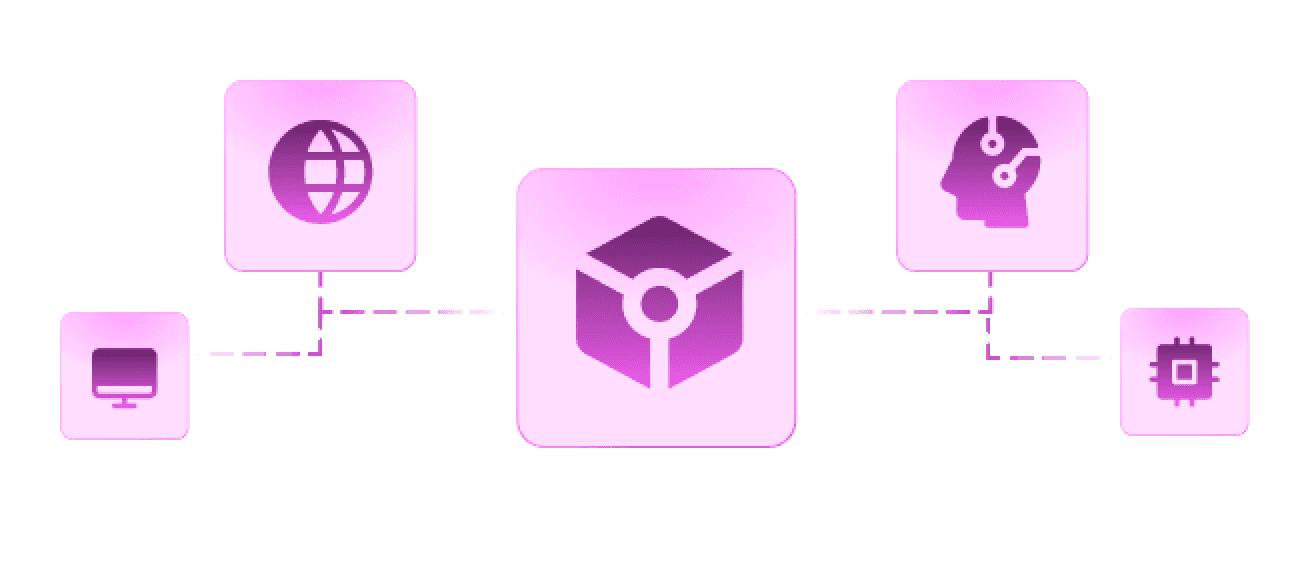
Adds a crypto payment rail without legacy system.
API-first integration for seamless connection with your systems.
Webhook-based confirmation sends real-time updates.
Dual-rail architecture supports both fiat and crypto.
Handle international payments with stablecoins and other cryptocurrencies.
Simplify B2B payments with lower operational overhead.
Reduce manual work with efficient FX routing.
Eliminate gas fees during transactions.
Manage wallets securely without the need for private key handling.
Convert any stablecoins instantly to fiat, reducing volatility risk.
Lock in fixed rates to mitigate exposure to crypto price fluctuations.
Control payments with hold and escrow rules to ensure compliance and regulatory safety.
Stablecoin acceptance and auto-fiat settlement
Programmable settlement engine
Compliance and risk monitoring layer
Crypto reconciliation and ledger sync engine
Merchant crypto dashboard
Secure AI agent-led payment process
AI recommendation engine
Banks, neo-banks, and payment providers.
Teams adding a crypto rail to an existing gateway stack.
Firms managing cross-border settlement and treasury workflows.
Platforms needing payment acceptance with settlement and reporting controls.







Payment Operations and Settlement
TMX Payments accepts stablecoin payments and settles funds through controlled payout logic.



Screen wallets against sanctions lists.
Flag transactions with unusual risk patterns.
Apply hold and freeze rules for internal policy actions.

Match invoices with on-chain transactions.
Handle partial and overpayments with set rules.
Prevent duplicate entries through idempotent processing.
Export logs for audit and reporting needs.
Show real-time payment and settlement status.
Support refund workflows and dispute handling.
Set settlement preferences and payout settings.
Export reconciliation files for internal teams.

1
API-First Crypto Payments Integration
REST APIs and webhooks support charge, status, and refunds.
2
Cross-Border Settlement Support
Stablecoin rails support international payout workflows.
3
Custody-Light Operational Design
The architecture reduces private key handling burden.

Traditional Payments vs Crypto Payments
Area
Settlement timing
Cross-border transfer
Payment visibility
Reconciliation
Treasury exposure
Compliance monitoring
Before crypto integration
Settlement can take several days.
Multiple intermediaries increase delay and cost.
Status depends on bank or PSP updates.
Finance teams match invoices manually.
Funds stay fully in fiat.
Screening focuses on bank records only.
After crypto integration
Settlement can complete faster after network confirmation.
Stablecoin rails reduce transfer steps.
Status comes from real-time on-chain events.
Systems match invoices to transactions automatically.
Stablecoins can convert to fiat during settlement.
Wallet screening and on-chain monitoring apply.

1
Payment Request
A system creates a payment request through a REST API.
2
Wallet Payment
A payer sends stablecoins from a Web3 wallet.
3
Blockchain Detection
Listeners detect the transaction on-chain and verify it.
4
Event Notification
Webhooks send status updates to internal systems.
5
Reconciliation Matching
The engine matches the payment to the right invoice.
6
Rule-Based Settlement
The system releases payouts based on confirmation rules.
7
Dashboard Visibility
The dashboard shows status, refunds, and export files.
Face delayed settlement from cross-border rails.
Risk wallet exposure without screening controls.
Struggle to match invoices with on-chain transfers.
Screen wallets and flag risk signals.
Detect transfers on-chain and match them to invoices.
Release payouts after confirmation rules are met.

Crypto Payment Operational Impact and Outcomes
20–30%
Reduction in failed settlements
through confirmation-based release rules.
Reduction in manual reconciliation time
through invoice to transaction matching.
25–35%
Reduction in audit preparation effort
through structured logs and exports.

































Crypto Payment FAQs
How can crypto payments integrate with traditional finance systems?
Can crypto payments be settled in fiat?
What is a crypto payment gateway in an enterprise setup?
How do finance teams reconcile crypto payments with invoices?