
TokenMinds Blog
How to Prevent Double-Pledged Inventory With Digital Warehouse Receipts
Digital Warehouse Receipts for Bank Collateral: How the Workflow Works
Crypto Presale Marketing Strategy 2026: How Founders Build Trust Before a Public Token Sale
ICO vs IDO vs IEO in 2026: Which Token Sale Model Fits Your Project?
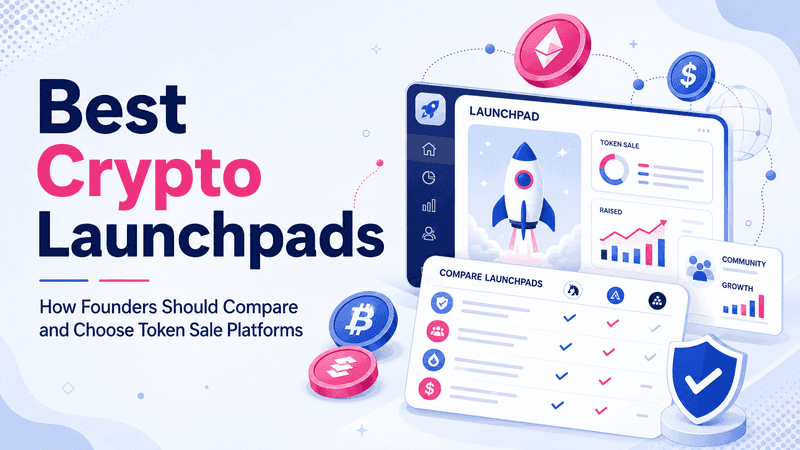
Best Crypto Launchpads in 2026: How Founders Should Compare and Choose Token Sale Platforms
How Banks Verify Inventory Ownership and Control Before Tokenization
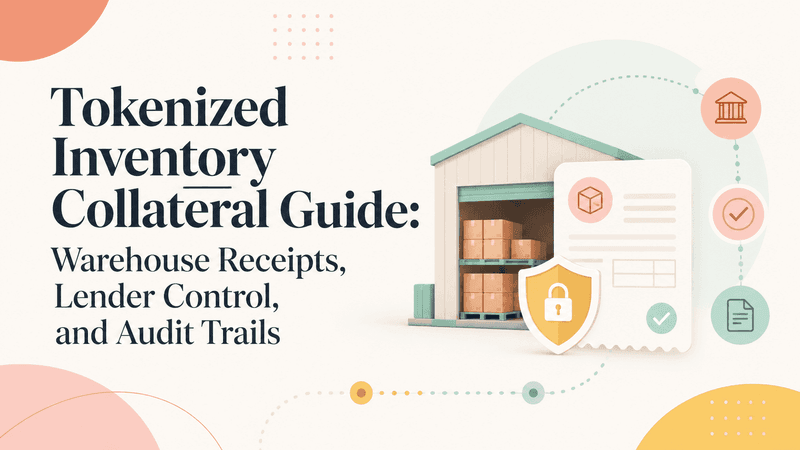
Tokenized Inventory Collateral Guide 2026: Warehouse Receipts, Lender Control, and Audit Trails
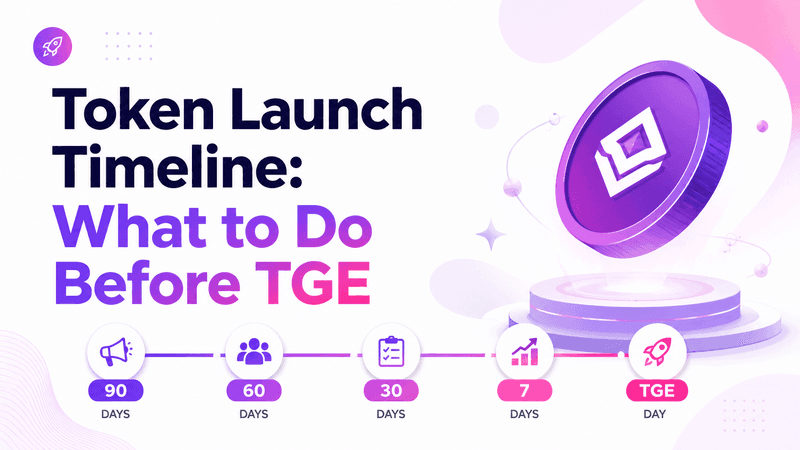
Token Launch Timeline 2026: What to Do 90, 60, 30, and 7 Days Before TGE
Tokenized Deposits vs Stablecoins for Receivables Collateral Settlement
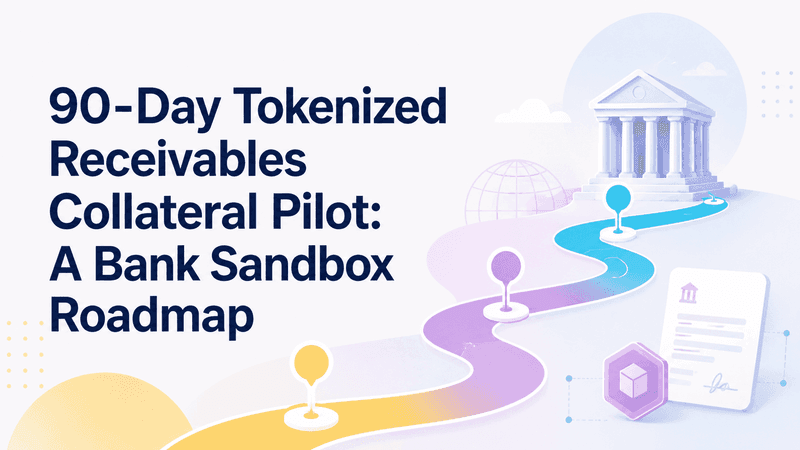
90-Day Tokenized Receivables Collateral Pilot: A Bank Sandbox Roadmap
Token Launch Marketing Budget in 2026: How to Allocate Spend Across KOLs, PR, Community, Listings, and Post-TGE
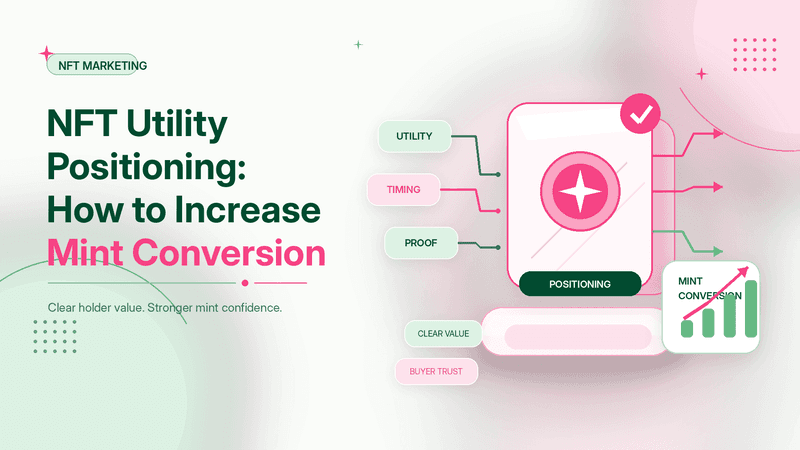
NFT Utility Positioning: How to Increase Mint Conversion
RFP Checklist for Tokenized Receivables Collateral Platforms in 2026
Legal Control and Priority for Tokenized Receivables Collateral: What Banks Must Check
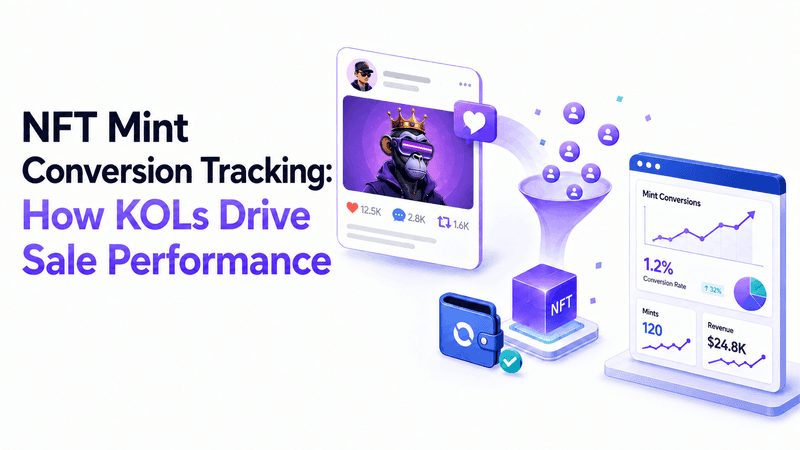
NFT Mint Conversion Tracking: How KOLs Drive Sale Performance
Enterprise Blockchain Development: The Complete Guide for Businesses in 2026
Blockchain Development Services: What Blockchain Solutions Entail
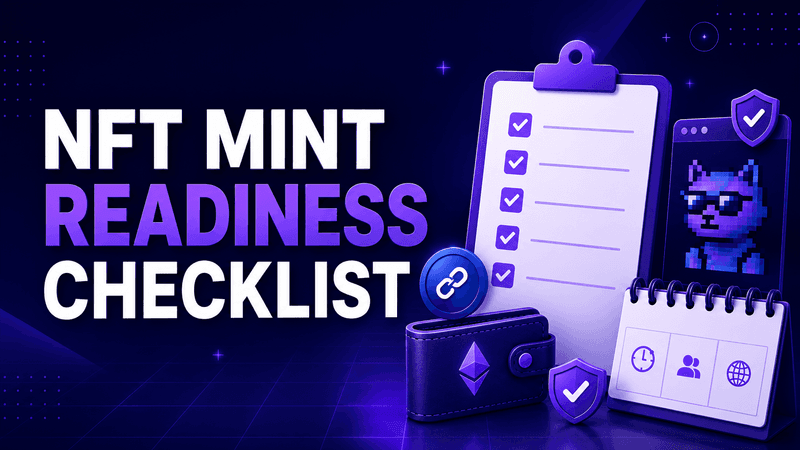
NFT Mint Readiness Checklist: Wallets, Funding, Gas, Deadlines, and Scam Warnings
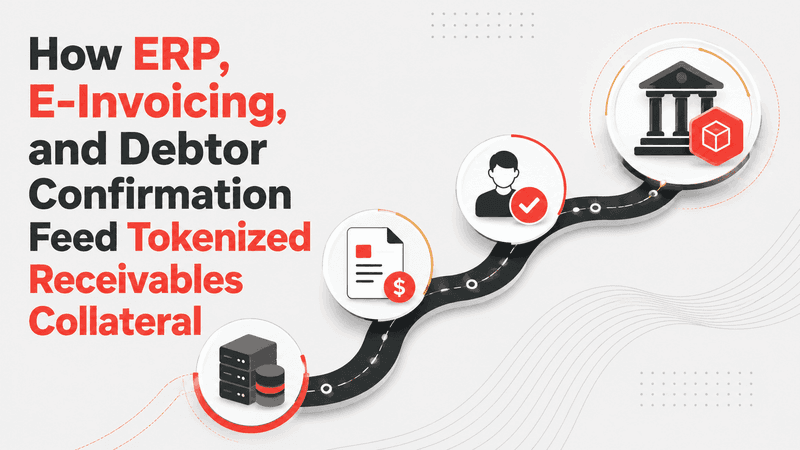
How ERP, E-Invoicing, and Debtor Confirmation Feed Tokenized Receivables Collateral
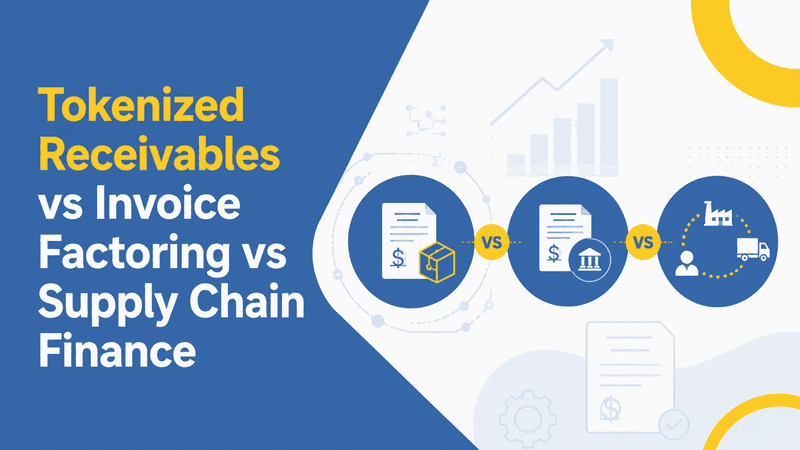
Tokenized Receivables vs Invoice Factoring vs Supply Chain Finance: What’s Changing for Banks?
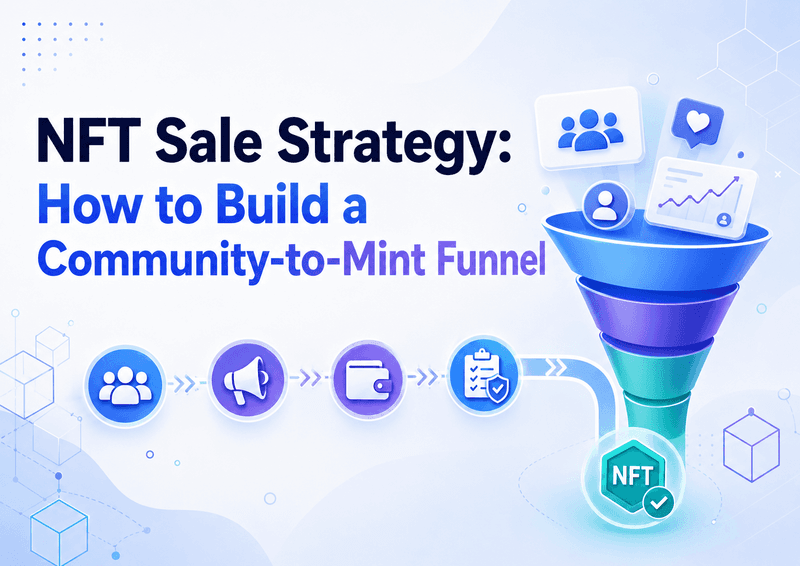
NFT Sale Strategy in 2026: How to Build a Community-to-Mint Funnel
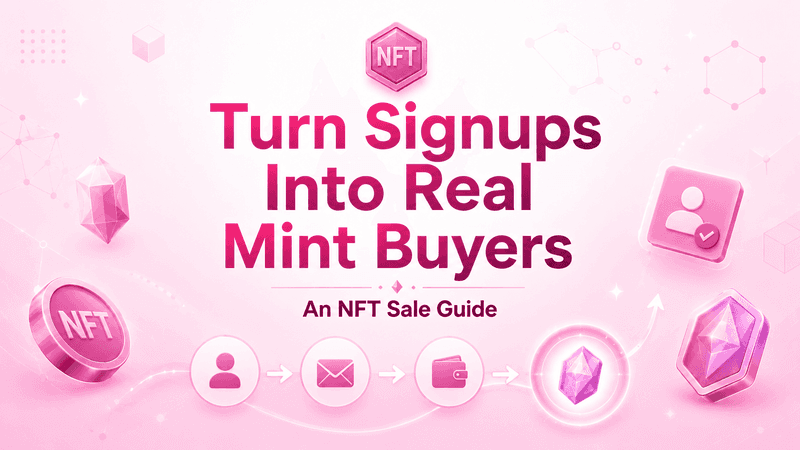
NFT Allowlist Conversion: How to Turn Signups Into Real Mint Buyers in 2026
Token Sale Agency vs In-House Team: What Should Founders Choose for GTM, Tokenomics, UX, and Community Growth
What Founders Should Include in a Token Sale GTM Brief or Agency RFP